







Targeted customer insights
Collect relevant, actionable feedback directly from your own customer base.

customer-support.webp
Understand what your customers really think with clearer sentiment and feedback analysis
Our customer sentiment and feedback analysis service helps brands collect more useful insight from their own customer base. By combining sentiment analysis, keyword patterns, and tailored survey questions, we help you understand satisfaction, identify friction points, surface strengths, and spot the changes most worth making.
We use your customer email database to send a targeted survey and collect feedback on sentiment, satisfaction, and brand experience. The output highlights recurring themes, sentiment direction, and practical findings you can act on. You can also include customised questions if there are specific areas you want to explore in more depth.
You gain a clearer view of what customers value, where frustration shows up, and which recurring themes are shaping your brand perception. That gives you a better basis for improving service, strengthening loyalty, and making smarter customer experience decisions.
Collect relevant, actionable feedback directly from your own customer base.
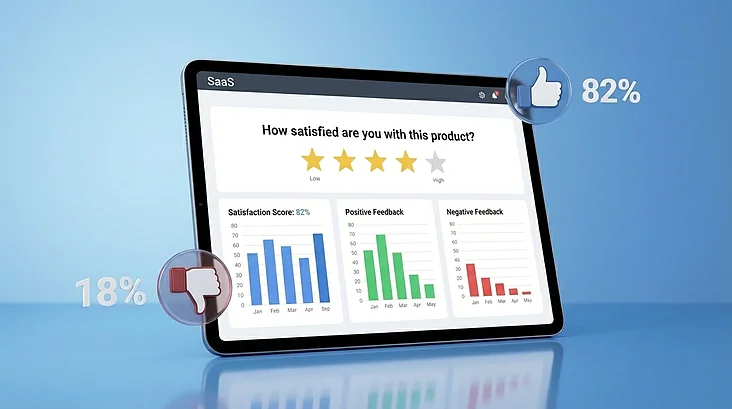
Understand how customers feel about your business with AI-driven sentiment analysis and clearer satisfaction tracking.
Identify recurring words and phrases with an AI-generated word cloud that reveals the themes shaping customer responses.
Tailor survey questions to explore specific business areas and investigate the issues you care about most.
Avoid expensive survey campaigns by using your existing customer database to gather targeted insight.
Act on real customer feedback to address pain points, build loyalty, and improve customer satisfaction.
This service is useful when you already have a customer base and want clearer insight into what people value, what frustrates them, and which recurring themes are shaping satisfaction, trust, and loyalty.
An e-commerce company wanted to understand how customers felt about recent purchases and identify keywords that could help them improve their product descriptions and customer service.
The company used our Customer Sentiment and Feedback Analysis service to survey recent buyers. The AI-driven analysis provided a word cloud featuring phrases like “excellent quality” and “quick delivery,” highlighting strengths in product satisfaction and shipping speed. The analysis also revealed keywords like “packaging” and “returns,” suggesting areas for potential improvement.
The company used the feedback to refine product descriptions and enhance its packaging, which contributed to a 20% improvement in customer satisfaction ratings. The analysis provided a clear focus for future marketing messages and service enhancements.
A subscription-based service provider launched a new feature and wanted to understand customer sentiment surrounding the update. They needed feedback on feature usability and customer satisfaction with the service.
By leveraging our Customer Sentiment and Feedback Analysis service, the company sent a targeted survey to existing customers. The AI analysis revealed keywords like “user-friendly” and "helpful,” along with suggestions for further customization. The sentiment analysis showed that most users were satisfied with the update, though some recommended minor adjustments for better usability.
The company made the suggested adjustments, which led to a 30% increase in positive feedback and a decrease in customer support inquiries. This sentiment and feedback analysis allowed the company to validate the new feature’s success and further improve the customer experience.
A boutique hotel sought feedback from recent guests to ascertain the most valued aspects of their experience and pinpoint areas for enhancement. Specifically, management suspected issues with breakfast quality and check-in wait times but needed data to confirm and prioritise these areas.
The hotel used our Customer Sentiment and Feedback Analysis service to survey recent guests. Feedback and sentiment analysis revealed that many guests appreciated the friendly staff and room cleanliness but frequently mentioned “breakfast quality” and “long check-in” in negative contexts. The AI-generated word cloud highlighted keywords like “stale bread,” “cold coffee,” and “slow service” associated with breakfast, while check-in was commonly associated with phrases like “long wait” and “understaffed.”
With a clear understanding of guest priorities, the hotel made targeted improvements. They overhauled the breakfast menu to prioritise freshness and variety, and they added extra staff during peak check-in times. After implementing these changes, guest satisfaction scores for both breakfast and check-in rose by 40%, and reviews became significantly more positive. The improvements helped boost the hotel’s reputation and led to an increase in repeat bookings.
Tips, tested products, case studies, and Market Potential promos—straight to your inbox.